Lighting is one of those things that can completely shape how a home looks or feels and yet it’s often left until the end of a renovation. During a first time renovation, it’s easy to focus on finishes and fittings while overlooking the lighting plan. However, that’s when problems start, because rooms feel too dark, too harsh or just not quite right.
In this guide, we’ll cover five common lighting mistakes and how to avoid them, so your home feels balanced, comfortable and well-thought out from the beginning.
Why Lighting Can Make Or Break Your Renovation
The Impact of Lighting on Mood, Function and Style
Lighting has a direct effect on how each room feels, how it works and how your design choices come together. It influences the mood by creating a sense of warmth, calm or energy depending on the brightness and colour temperature you choose. It also supports function, helping kitchens feel clean and usable and bedrooms feel restful and quiet.
At the same time, it brings out colours, textures and finishes, helping your style feel more complete. When all of these elements work together, lighting becomes a key part of the space rather than an afterthought.
Mistake 1: Choosing Style Over Function
Statement Fixtures that Do Not Light the Room Properly
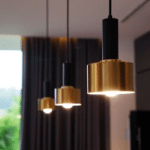
It’s easy to fall in love with a bold pendant or a sculptural chandelier, but if your light fitting cannot illuminate the space properly, it will not matter how good it looks. One of the most common lighting mistakes is choosing decorative fixtures before considering how much light the room actually needs.
How to Assess Your Room’s Lighting Needs First
Before choosing any fixture, consider the size of the space, ceiling height, wall colour and how the room will be used. Will you need task lighting, ambient lighting or both? A small dining area might do well with one feature pendant, while a large open-plan kitchen may need spotlights, pendants and under-cabinet lighting to work correctly.
Balancing Aesthetics with Practicality
The good news is that you don’t have to sacrifice style for performance. Many modern light fittings are designed to look good and work well. The key is finding something that complements the space while giving you the brightness and coverage you need.
Mistake 2: Poor Placement Of Light Fixtures
How Bad Placement Creates Shadows or Glare
Even the right light fitting can result in poor lighting if it’s installed in the wrong spot. Bad placement can create harsh glare or cast shadows in the wrong areas, making the room uncomfortable or hard to use.
Common Placement Errors
Common issues include placing downlights too close to walls, using a single ceiling fitting in a long hallway or installing a pendant light too high above a bench. These small decisions can have a big effect on how a room feels once it’s finished.
Planning Your Layout Before You Install
Always plan your lighting layout before installation. Map out where your key furniture pieces will go and think about how people will move through the space. If you’re unsure where to start, a free in-store consultation can help you get the layout right before anything is wired in.
Mistake 3: Ignoring Layered Lighting
An Introduction to Ambient, Task and Accent Lighting
Layered lighting combines different types of light within a single space to create balance, support function and enhance the overall atmosphere. When each layer is planned well, the room feels more comfortable, practical and visually complete. A typical setup might include:
- Ambient lighting for general brightness
- Task lighting for focused activities like reading, cooking or grooming
- Accent lighting to highlight features such as artwork, shelving or textured walls.
How to Apply it in Different Rooms
Layered lighting can be applied in any room by thinking about how each layer supports the way the space is used. Here’s how it might look in different areas of the home:
- Kitchen: Ambient lighting from ceiling spotlights, task lighting from under-cabinet strips or island pendants and accent lighting to highlight shelves or splashbacks.
- Bedroom: Ambient light from a pendant or flush mount, task lighting from bedside lamps or wall lights and accent lighting from a dimmable floor lamp.
Mistake 4: Overlooking Natural Light
Working with Windows and Daylight
One of the easiest ways to reduce your reliance on artificial lighting is to make the most of natural light. However, many first time renovators forget to factor it into their plans. Good daylight can save energy, improve mood and make rooms feel more spacious.
Window Positioning, Blinds and Reflective Surfaces
Pay attention to window direction because it affects how much daylight each room receives. North-facing windows offer consistent light, while east-facing rooms get stronger morning sun. Lighter walls and mirrors can help reflect natural light and it is worth considering how blinds or curtains might block or soften it throughout the day.
Complementing Natural Light with Artificial Light
The goal is to make natural and artificial light work together. In rooms with lots of daylight, use adjustable fittings like dimmable downlights or soft wall sconces that can take over in the evening without clashing with the room’s feel. Pendant lights with a frosted or open shade can soften transitions between day and night lighting.
Mistake 5: Skimping On Quality And Efficiency
Why LED and Energy-efficient Options Matter
It can be tempting to cut costs during a renovation, but lighting is one area where quality really matters. LEDs are a smarter choice because they use less energy, last longer and require less maintenance. In contrast, poor-quality fittings can flicker, overheat or need replacing much sooner, which add to your costs down the line.
The Long-term Cost of Cheap Lighting
Choosing the cheapest option upfront might seem like a good way to save, but it often leads to higher costs later through increased power bills, ongoing maintenance or early replacements. Investing in quality fittings from the start means better performance, fewer issues and a more finished look overall. It also adds value to your home, which is especially important if you’re renovating with resale in mind.
Expert Lighting Advice For First-time Renovators
How Boardwalk Fans & Lighting Can Help
If you’re feeling unsure about lighting choices, layout or placement, speaking with someone who works with lighting every day can make a big difference. At Boardwalk Fans & Lighting, we help people avoid the most common lighting mistakes by offering practical advice and tailored suggestions based on your space.
Free In-store Consultations and Custom Orders
We offer free in-store consultations to discuss your plans and custom order options if you’re after something specific. Whether you’re working on a single room or a full home lighting renovation, our team can help you choose fittings that match your style, budget and needs.
Ready to get your lighting right the first time? Visit Boardwalk Fans & Lighting for expert advice and smart solutions for your renovation.